In the modern construction and industrial world, polymers play a significant role in enhancing product durability, flexibility, and performance. One of the most commonly used polymers in these industries is Redispersible Polymer Powder (RDP). Whether you are in the construction, adhesive manufacturing, or coatings industry, you need to understand the production process of RDP polymer powder and its impact on pricing.

What is RDP Powder?
Redispersible Polymer Powder (RDP) is a type of dry powder made from synthetic polymers, often including styrene-acrylic, vinyl acetate, or ethylene-vinyl acetate, which are all components of latex emulsions. Therefore, it is also known as VAE. Polymer particles are water-soluble and easily redispersible when mixed with water. Therefore, RDP has unique value in many applications. RDP powder is commonly used as an additive in cement-based formulations, such as tile adhesives, gypsum, and cement-based grouts. When mixed with water, the polymer particles redisperse and form a thin film, significantly improving flexibility, adhesion, and water resistance.
What is the Use of RDP Powder?
Tile Adhesives and Mortars
The construction industry is the primary user of RDP powder. It’s often used in tile adhesives and mortars to improve the bonding strength between tiles and substrates. The redispersible polymer powder provides the required flexibility and tensile strength to adhesives, making them more effective in areas exposed to moisture or high thermal stress. It helps improve the open time, flow, and workability of the mixture.
For some questions about the tile binder, you can click “VAE for tile binder” to view.
Plasters and Renders
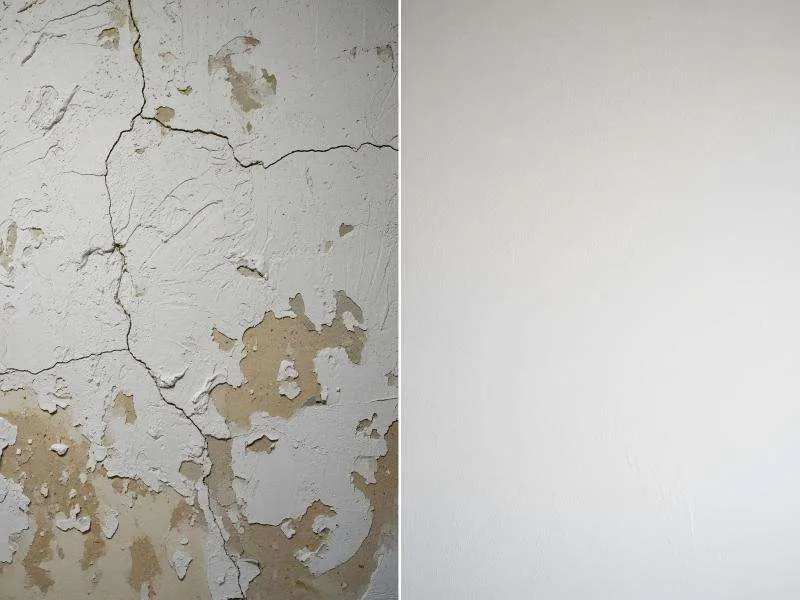
In plasters, renders, and stuccos, RDP powder increases the durability and flexibility of the materials, improving their resistance to cracking and shrinkage. It can also improve water retention during the curing process of cement-based products.
Waterproofing Solutions
RDP powder is also included in waterproofing coatings to improve adhesion to various surfaces, particularly when working with materials like concrete. The polymer’s resistance to moisture allows it to be used effectively in both exterior and interior waterproofing applications.
Emulsions and Paints
In paints and coatings, RDP powder contributes to the improvement of flow, film formation, and adhesion, particularly in water-based paints. It helps in creating a smooth, consistent layer and improves the paint’s resistance to weathering and abrasion.
Self-Leveling Compounds
RDP powder is often mixed into self-leveling compounds to enhance their application and performance. This additive helps in creating a smooth, durable surface that is resistant to cracking.
For some questions about the redispersible polymer powder market, please click “redispersible polymer powder market”.
What are the Production Processes of RDP Powder?
The production of RDP powder involves several crucial steps that ensure the final product meets the required specifications. These processes generally follow these stages:
Polymer Emulsion Preparation
The first step in the RDP production process is to prepare a polymer emulsion. The emulsion is created by polymerizing a mixture of raw monomers such as vinyl acetate, styrene, and acrylate, under controlled conditions. The goal is to form a stable latex emulsion that will later be converted into a powder.
Spray Drying
Once the emulsion is prepared, the next step is spray drying. This involves converting the liquid polymer emulsion into a powder form by spraying it into a hot air stream. As the droplets of emulsion dry, they form solid polymer particles. This drying process is essential for the re-dispersible property of the polymer, which is why it’s a critical stage in the production of RDP powder.
Particle Sizing and Classification
After the polymer powder is created through spray drying, it is important to classify the powder based on particle size. Different applications require different sizes of powder particles. A more uniform particle size improves the workability and performance of the final product, particularly in cementitious applications.
Blending and Quality Control
Once the particle sizes are standardized, the RDP powder is blended to ensure consistency. At this stage, any additives such as stabilizers or surfactants may also be included to enhance the powder’s shelf life, dispersibility, and compatibility with various substrates. Rigorous quality control procedures are followed to ensure that the powder meets industry standards for performance, safety, and consistency.
Packaging
Finally, the RDP powder is packaged in sealed containers, typically large bags or bulk sacks, to protect it from moisture and ensure it remains dry during storage and transportation.
Regarding how to choose redispersible polymer powder, you can click on “selection of redispersible polymer powder” to view.
RDP Polymer Powder Price Analysis
In addition to the production process of RDP powder mentioned above, there are many other factors that affect the price of RDP products, and these factors must be taken into consideration when making a purchase decision.
Raw Material Costs
The price of RDP polymer powder is largely influenced by the cost of raw materials used to produce the polymer emulsion. Monomers like vinyl acetate, styrene, and acrylic acid are derived from petrochemical sources, so fluctuations in oil prices can significantly impact the cost of production. When oil prices rise, the cost of raw materials increases, which can lead to higher RDP prices.
Production Process Efficiency
The efficiency of the production process also affects the final cost of RDP powder. More advanced production techniques that ensure a consistent particle size and improve the yield can lower the cost of production. Additionally, companies with large-scale operations may benefit from economies of scale, resulting in lower prices for bulk buyers.
Transportation and Packaging
Given that RDP powder is often sold in bulk, transportation costs can be a significant factor in pricing. The distance between the manufacturing facility and the end user, as well as the method of transportation, can all contribute to the overall price of the product. Moreover, the packaging, particularly for small quantities, may add to the final cost.
Market Demand and Competition
As with any product, supply and demand dynamics play a critical role in determining the price of RDP powder. If demand exceeds supply or if there are fewer manufacturers in the market, prices can increase. On the other hand, intense competition among suppliers or new production capacity can drive prices down.
Quality and Application
The price of RDP powder can also vary depending on its intended use and quality. High-quality polymers designed for specific applications, such as those used in premium adhesives or waterproofing compounds, will generally command a higher price. Additionally, some products may undergo extra steps in their production, such as the inclusion of additives to enhance certain properties, which can increase the cost.
Geographic Location
Lastly, the buyer’s geographical location can also affect pricing. In regions where raw materials need to be imported or are produced locally in limited quantities, RDP powder prices may be higher. This is because logistical and supply chain challenges can lead to increased costs.